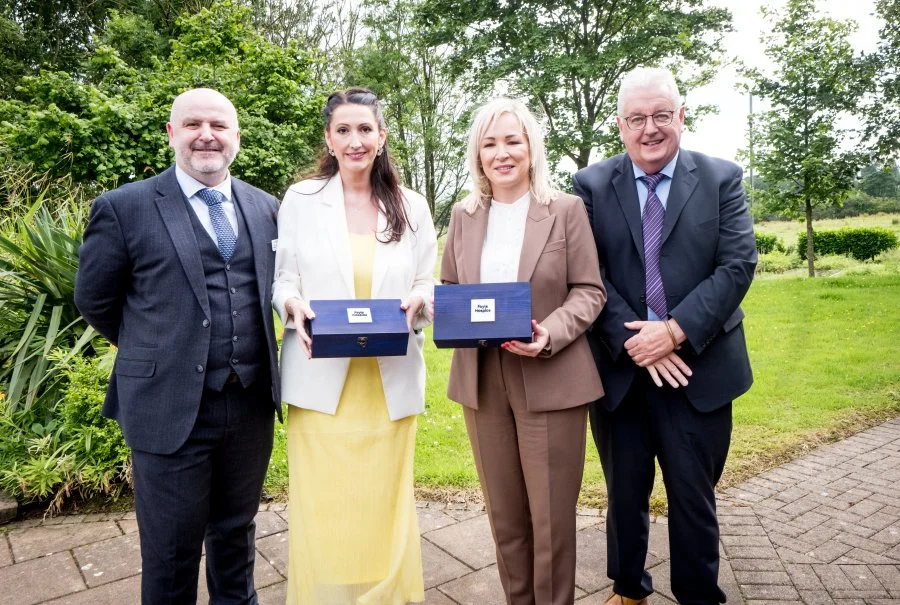
First Minister and deputy First Minister visit to Foyle Hospice
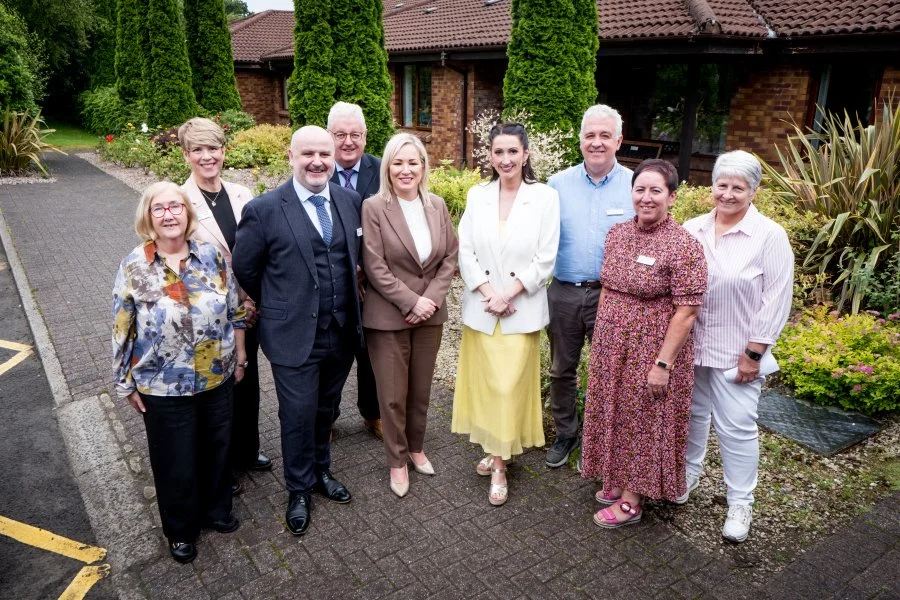
Pictured above: xxx
First Minister Michelle O’Neill and deputy First Minister Emma Little-Pengelly have visited Foyle Hospice in Derry~Londonderry to see first-hand the vital role hospice care plays for patients, families, carers and bereaved people across the North West and West of Northern Ireland.
During the visit, the Ministers met with Foyle Hospice Chief Executive Donall Henderson, Medical Director Dr Paul McIvor, Director of Nursing AnnMarie Casey, members of the Senior Management Team, Trustees, nursing staff and those involved in delivering specialist palliative care across inpatient, community and Day Therapy services. The visit provided an opportunity to highlight the breadth of hospice care, including specialist inpatient care, care in the community, Day Therapy, bereavement and counselling services, support for children and young people through grief, family support, volunteering and the wider role of local fundraisers and supporters.
First Minister Michelle O’Neill said: “Today’s visit to Foyle Hospice was a chance to see up close the extraordinary difference specialist palliative care makes for patients, families and the staff who support them. The compassion and dedication shown by everyone here every single day, often at the most difficult moments in their lives is truly inspiring. This is care that goes far beyond the clinical, it’s about dignity, comfort and simply being there when it matters most. “Foyle Hospice does extraordinary work and families across the North West and West are fortunate to have this care close to home. I want to thank Foyle Hospice’s staff, volunteers and this whole community for everything they give to the people they support.”
The deputy First Minister Emma Little-Pengelly said: “It was a real privilege to be able to visit Foyle Hospice and learn more about their work in providing specialist palliative and end of life care services to people in the North-West. The hospice provides vital support services to patients, families and carers through of a range of specialist services including inpatient, community and Day Therapy services. These services make such a difference to the lives of those facing some of the most challenging circumstances. “The skills, compassion and dedication of the staff ensure that dignity and respect remain at the heart of care, with a focus not only on clinical treatment but on quality of life, reassurance and support for both patients and their families.”
Foyle Hospice also presented the First Minister and deputy First Minister with its Voices of Care and Community collection, bringing together real stories from patients, families, carers, staff, volunteers and supporters which reflect the human impact of hospice care. The visit comes at an important time for hospice and palliative care across Northern Ireland. In December 2025, the Northern Ireland Assembly Health Committee published its report on Access to Palliative Care Services, making 27 recommendations aimed at strengthening palliative and end-of-life care. These included immediate investment in palliative care, improved out-of-hours provision, better access in rural areas, a clinical lead for palliative care and a move towards full statutory funding for hospices. Foyle Hospice said the inquiry has shown that strengthening palliative and end-of-life care is a shared concern across the political system. The priority now must be to move from recognition to delivery, ensuring that progress is matched with the budgets, workforce planning and long-term support needed to protect vital services for future families. The visit also follows recent engagement with the Health Minister, who has heard directly from Foyle Hospice about the impact of hospice care and the pressures facing services. Hospices across Northern Ireland play an essential role in supporting people with life-limiting illness, helping families through some of the most difficult moments of their lives and easing pressure across the wider health and social care system. By supporting people in hospice, at home and in the community, hospice care helps people receive the right care in the right place, supports timely discharge where appropriate, helps avoid unnecessary crisis admissions and reduces pressure on acute hospital beds. Foyle Hospice said this is also an issue of regional equity, with families across the North West and West, including rural communities, needing access to specialist palliative care, bereavement support and family support close to home. Recent emergency support for hospices was welcomed, but Foyle Hospice said the long-term challenge remains the need for a fair, recurrent and sustainable funding model.
Donall Henderson, Chief Executive of Foyle Hospice, said: “We were honoured to welcome the First Minister and deputy First Minister to Foyle Hospice and to show them the breadth of care delivered here every day for patients, families, carers and bereaved people across the North West and West. “Foyle Hospice is deeply rooted in this community. We are proud to stand beside the people of this region, but we also stand alongside our colleagues across Hospice Alliance NI in making the case for sustainable hospice care across Northern Ireland. “This is not a party-political issue. It is about people, dignity, families and ensuring that vital services are there when they are needed most. The Assembly Health Committee’s inquiry has already recognised the importance of palliative care and made clear recommendations. The next stage must be about implementation, long-term planning and ensuring budgets are aligned with the level of need across our communities. “Our community will always be at the heart of Foyle Hospice. The generosity of local people is extraordinary. But community fundraising cannot be the only answer to sustaining services that families across this region rely on. The public are doing their part; we now need a funding model that reflects the essential nature of hospice care. “We look forward to continuing constructive engagement with The Executive Office, the Department of Health, Hospice Alliance NI and representatives across all parties to ensure the recommendations of the Health Committee inquiry are progressed for the benefit of patients and families.”
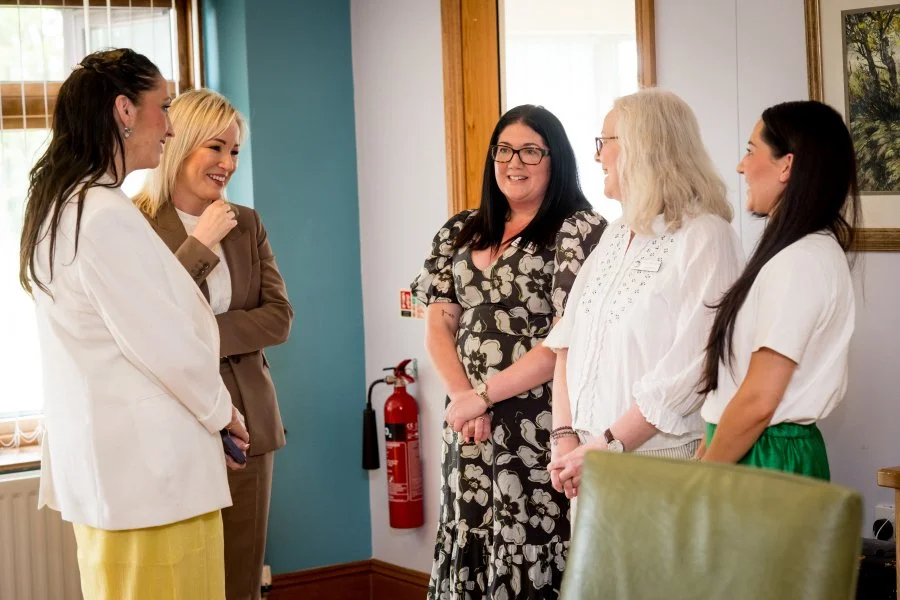
Dr Paul McIvor, Medical Director at Foyle Hospice, said: “Specialist palliative care is active, expert medical care. It is about managing complex symptoms, supporting patients with life-limiting illness, helping families understand what is happening, and ensuring care is centred on the person’s needs, wishes and dignity. “When hospice care is available at the right time, it benefits patients, families and the wider health service. It can help prevent avoidable crisis admissions, support people to remain at home where appropriate, and ensure acute hospital beds are used for those who need hospital-level care. “In a health system under sustained pressure, hospice care should be seen as part of the solution. It delivers high-quality, person-centred care in the community, supports better planning and helps people receive the right care in the right place. “The strategic value of palliative care is clear. The challenge now is to ensure that value is reflected in service planning, workforce planning and sustainable funding.”
AnnMarie Casey, Director of Nursing at Foyle Hospice, said: “Behind every service are people and families facing some of the most difficult days of their lives. Our nursing teams see every day the difference that specialist hospice care makes — not only in managing pain and symptoms, but in giving people reassurance, dignity, comfort and choice. “Hospice care is often misunderstood. It is not only about the final days of life. It is about helping people live as well as possible, supporting families, reducing fear and making sure no one feels alone. “The needs of patients and families are becoming more complex, and the pressure on services is growing. Sustainable support matters because it allows us to plan care properly, protect the specialist workforce, support families in the community and continue providing the level of compassion and clinical expertise that people deserve. “For the families we care for, this is not an abstract policy issue. It is about whether the right support is there when they need it most.”
Foyle Hospice said the visit was an important opportunity to show the First Minister and deputy First Minister the real face of hospice care in the North West and West, and to highlight the need for continued progress following the Assembly Health Committee’s recommendations. The Hospice said there is strong recognition across parties of the value of palliative and end-of-life care, and that the priority now must be to turn that shared recognition into practical delivery for patients and families.
Foyle Hospice confirmed it will continue to work through Hospice Alliance NI to seek constructive engagement with government, the Department of Health and all parties on the implementation of the Health Committee’s recommendations and the development of a sustainable model for hospice care.