
Hospice care provides specialist support for people living with life-limiting and life-threatening illnesses. It focuses on helping people achieve the best possible quality of life, managing pain and symptoms, and supporting emotional, practical and spiritual wellbeing.
What is hospice care?


Hospice care is about living as well as possible for as long as possible. It is not only provided at the end of life. Many people receive hospice support for months or even years alongside other treatments and services.
Care is delivered by multidisciplinary teams that may include doctors, nurses, healthcare assistants, social workers, therapists, counsellors, family support workers and volunteers. Support can be provided in people's homes, in hospice facilities, in hospitals and in the community.
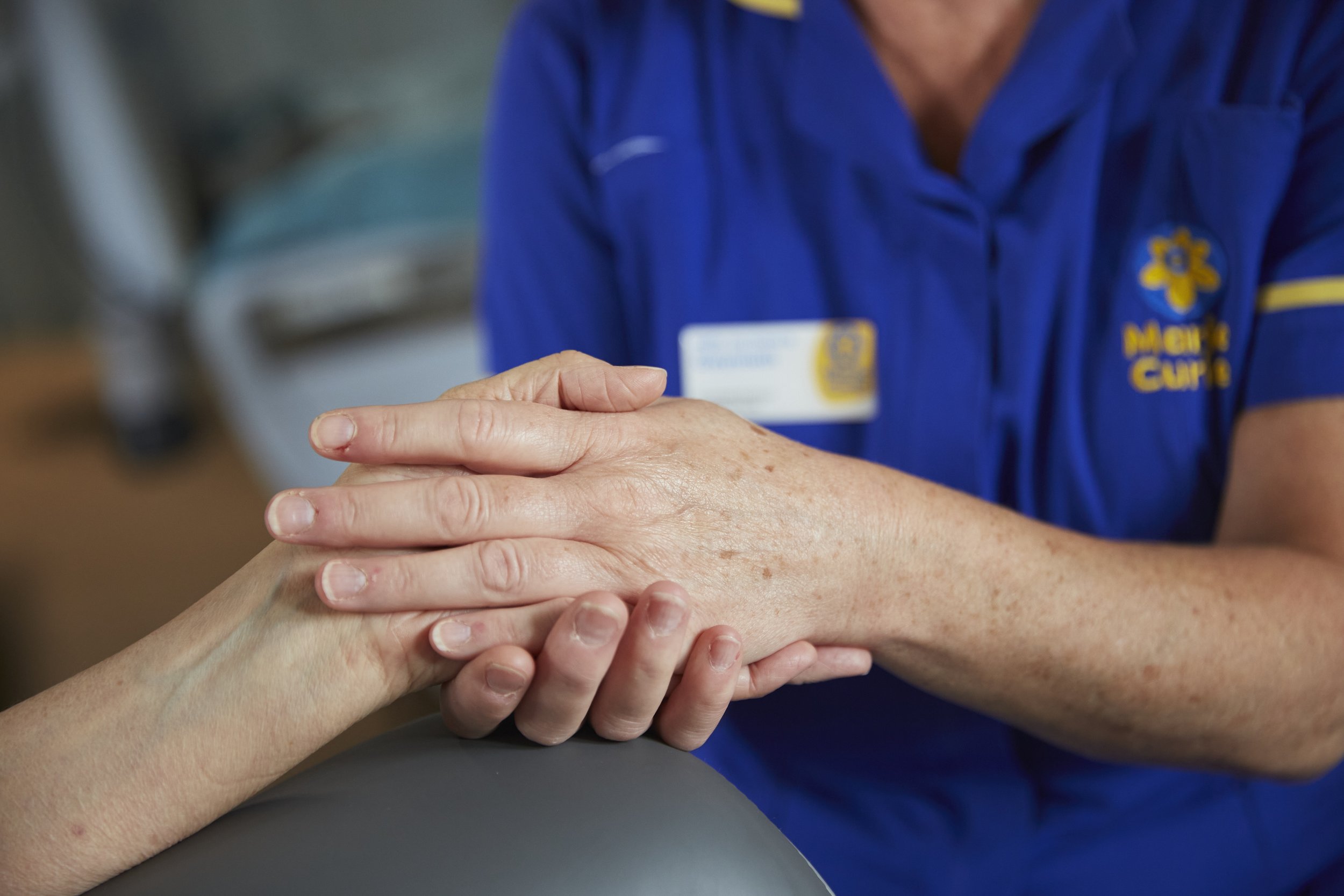
Impact on Health and Social Care Services
Hospices are an essential part of the wider health and social care system.
By providing specialist care in homes, communities and hospice settings, they help reduce pressure on hospitals and other overstretched services. Hospice teams work closely with GPs, community services, hospitals and trust teams to ensure patients receive the right care, in the right place, at the right time.
Hospices can help:
Prevent avoidable hospital admissions
Support earlier discharge from hospital
Reduce pressure on emergency departments
Provide specialist expertise for complex cases
Improve coordination of care across different services
Investment in hospice care benefits both patients and the wider health system, helping ensure resources are used effectively while improving experiences and outcomes for people with palliative care needs.